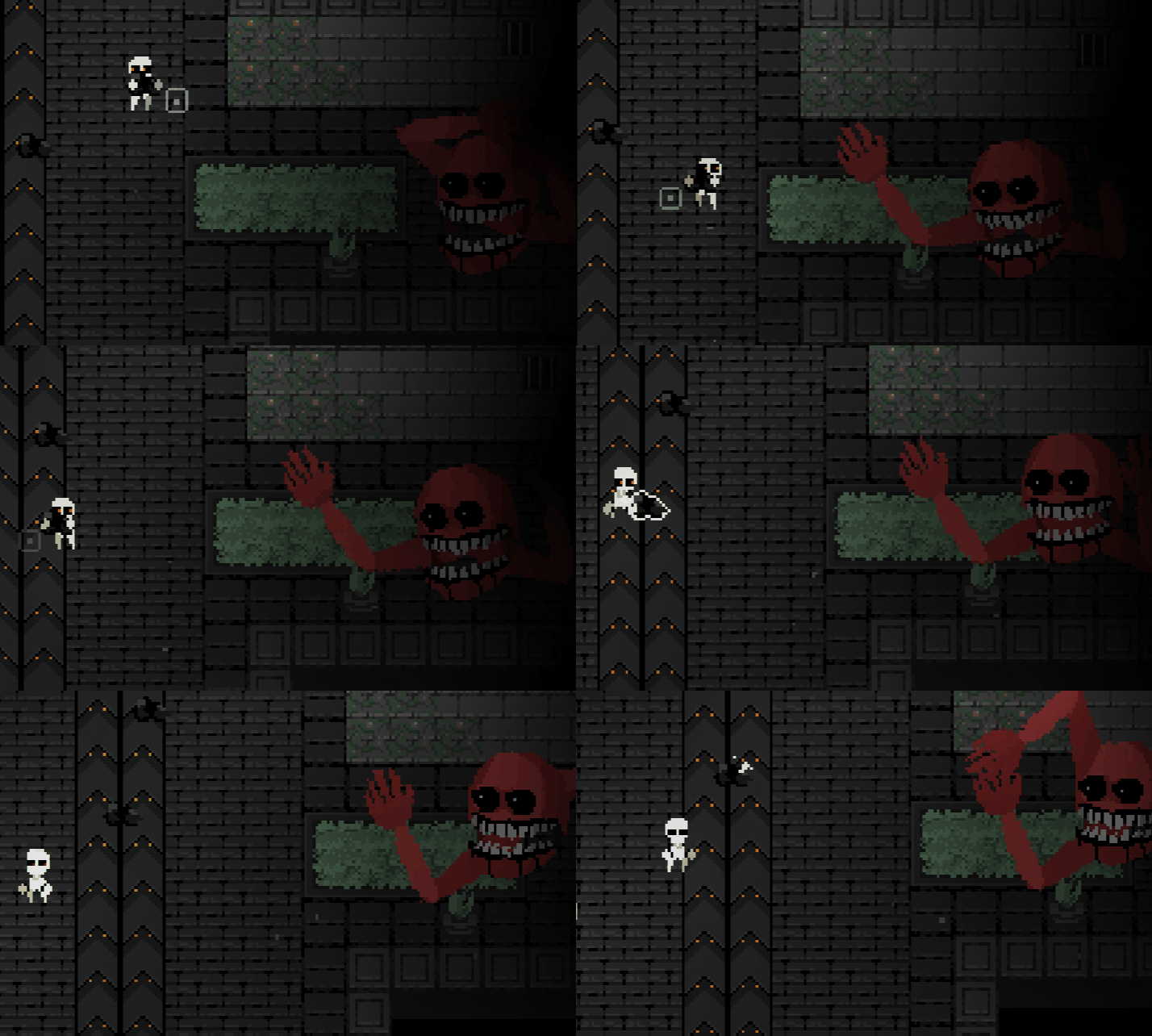
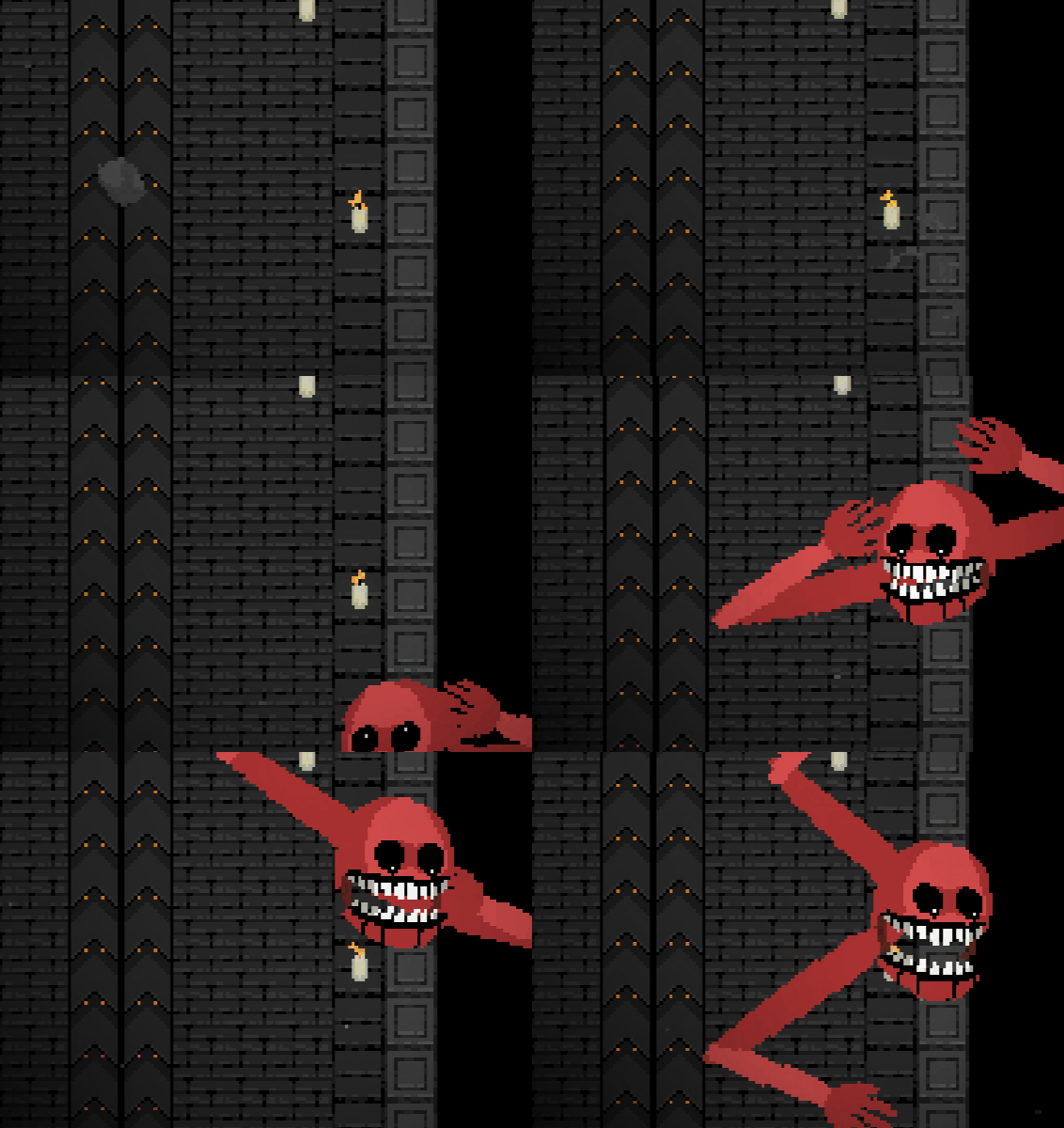
Detection rules
Hear, see, and smell punish different kinds of carelessness. Slow down and read the threat.
Rules
The rule list is the reason players keep searching after a run. Each new rule changes what is safe, what is bait, and when the objective should come before exploration.
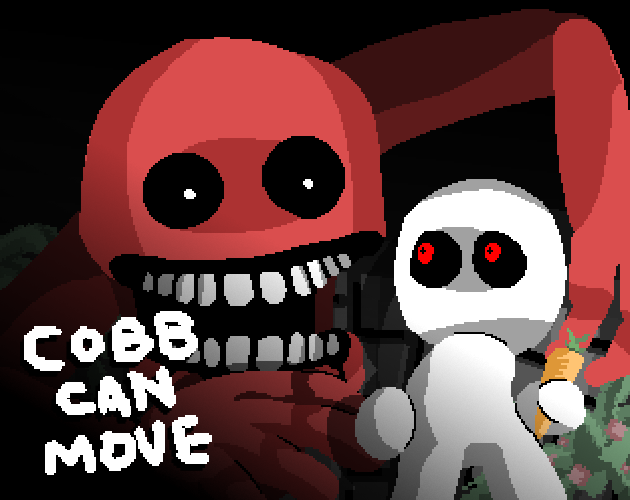
Rule table
| Rule | What changes | How to respond |
|---|---|---|
| Cobb Can Move | Cobb patrols and actively pressures the dungeon. | Plan loops before carrying coal or batteries. |
| Cobb Can Hear | Noise can pull Cobb toward your path. | Use rocks and route changes to create distance. |
| Cobb Can See | Line of sight becomes dangerous in open spaces; recent updates adjusted its range. | Break sightlines with corners, use darkness carefully, and avoid exposed halls. |
| Cobb Can Smell | Scent tracking punishes predictable hiding, though v1.7 made sniffs less frequent and close-range scent persistence lower. | Use deodorant when available, keep distance, and avoid repeating routes. |
| Cobb Can Extend | Cobb can reach farther than expected. | Keep extra space before committing to interactions. |
| Cobb Can Duplicate | More than one Cobb can threaten the map. | Map exits first and keep a fallback path ready. |
| Cobb Can Die | For a brief rule shift, Cobb can be fought back. | Collect batteries and switch from pure stealth to offense. |
| Freeze or Hunger | Environmental pressure drains safety over time. | Prioritize objectives instead of over-exploring. |
Pattern
Hear, see, and smell punish different kinds of carelessness. Slow down and read the threat.
Move, extend, and duplicate make distance less reliable. Keep a second escape line.
Cobb Can Die changes the usual survival rhythm and gives a brief offensive plan.
v1.7 changed smell and pursuit pressure, while v1.6 made rock stuns and keyboard support more important.
Rules strategy
The rule system is the central reason players talk about Cobb Can Move. Each rule changes the meaning of safe movement. If Cobb can hear, noise and bait become part of the route. If Cobb can see, angles and open spaces become the problem. If Cobb can smell, repeated movement and hiding become less reliable. If Cobb can duplicate, one escape route may not be enough. If Cobb can extend, the distance that felt safe earlier may no longer protect you.
A good rules page should therefore do more than list the rule names. It should explain the threat, translate that threat into player behavior, and warn against the instinct that gets people caught. The table above gives the fast version. The deeper lesson is that the player must treat every level as a new contract. The dungeon may look similar, but the rules have changed.
The easiest way to learn the rule list is to group it into three categories. Detection rules change how Cobb finds you. Hearing, sight, and smell belong here. Mobility rules change how quickly or how many ways Cobb can reach you. Movement, extension, and duplication belong here. Opportunity rules change what you can do back to Cobb or how the environment pressures you. Cobb Can Die, freeze, and hunger belong closer to this group because they change priorities instead of only changing detection.
Grouping the rules helps with decisions under pressure. Against detection rules, reduce signals and break the kind of tracking that is active. Against mobility rules, widen your escape plan and avoid routes with only one exit. Against opportunity or environment rules, prioritize the objective and use the temporary opening before it disappears. This makes the rule list easier to apply during a run.
If you are mid-run, do not read everything. Look up the active rule, scan the counter, and return to the game. If you are learning after a failed run, read the categories and ask which habit caused the loss. Did you make noise? Did you cross a sightline? Did you hide while scent tracking was active? Did you underestimate reach? Turning the death into a rule lesson is how the game becomes more manageable.
This page is also an SEO hub for rule-specific searches. Queries around Cobb Can Hear, Cobb Can See, Cobb Can Smell, Cobb Can Duplicate, and Cobb Can Die should land here because the intent is narrow. The homepage can introduce the concept, but the rules page should become the reference that players bookmark after they start seeing the same rule names in runs and comments.
Source-informed notes
Smell is one of the rules players complain about because it can make hiding feel unreliable. The counter is not to stay still forever; it is to keep routes moving and avoid letting Cobb close enough for scent pressure to become overwhelming. Duplication creates panic because multiple threats make the screen feel crowded, but the practical response is to know wide routes and avoid being trapped in small dead ends. Reach punishes hesitation, so the safest response is clean movement and extra distance.
The rules page should keep adding these experience-based notes as more players discuss the game. That makes it more useful than a static table. Each rule should eventually have a short “what players get wrong” note, a “safer habit” note, and a “when to leave the area” note. That is the kind of depth competitor pages usually lack.
For now, the page focuses on the most visible rule names and counters. If future updates add new rules, this page should be the first guide page to expand.
The phrase Cobb Can Move rules should keep pointing to this page because the intent is different from the homepage. Players searching Cobb Can Move rules usually need a counter table, not a general introduction. That is why this page stays tactical and avoids broad review language.
FAQ
It means noise and movement choices matter more. Use distractions and avoid careless routing.
Scent tracking makes hiding and repeated paths less safe. v1.7 made sniffs less frequent and close-range scent persistence lower, but deodorant and route variety still matter.
Under the Cobb Can Die rule, the game gives a limited window where batteries and offensive play matter.
Official source
CobbCanMove.top is an independent play and guide site. For the developer listing, credits, devlog, and official download, use abho's itch.io page.